Geosyncline

Geosyncline

Geosyncline: In geology, a geosyncline is a large-scale indentation in the Earth’s crust that is filled with sediments. A geosyncline forms due to the gradual sinking of the Earth’s crust, causing sediment from adjacent areas to gather inside. An example of a geosyncline is the Appalachian Mountains.
Similar Posts

  • Passive Methane Mitigation

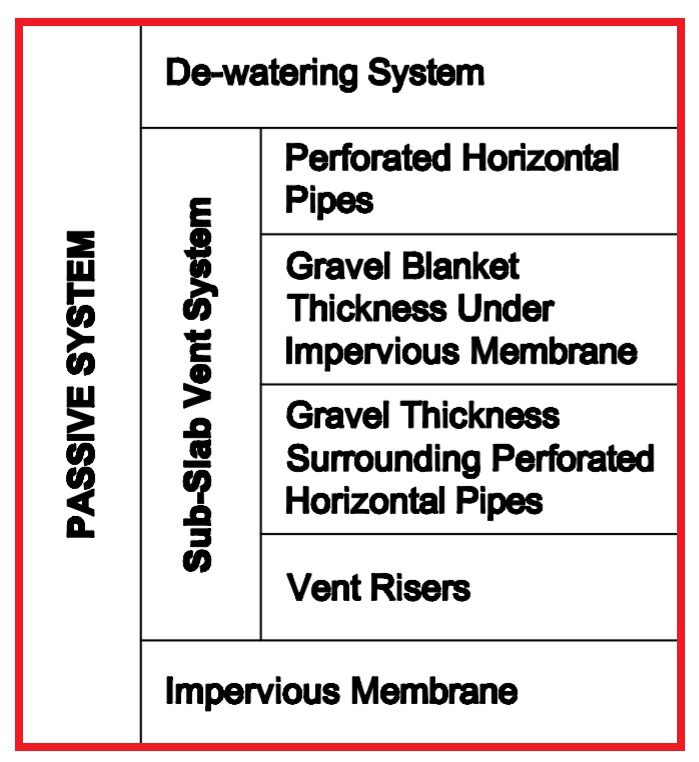
    Passive Methane Mitigation Passive Methane Mitigation: Passive systems refer to the non-mechanical and non-electric components of the methane mitigation process. These components remove the vapor intrusion risks of methane soil gas migration into buildings atop Los Angeles Methane Zones and Methane Buffer Zones. In fact, methane testing results typically indicate the necessity for a passive…

  • Contact Metamorphism

    Contact Metamorphism Contact Metamorphism – Metamorphism is associated with the intrusion of an igneous mass. Metamorphic changes are caused principally by heat, but also by magma composition and deformation related to the intrusion. Pressures are relatively low (<3000 bars) while temperatures range from 200°C to 1000°C.

  • Settlement

    Settlement Definition In the field of geology, The term settlement means a gradual downward movement of the ground surface. This is generally due to soil compression at on a larger scale, atdepths that are below the ground surface.

  • Hardpan (Caliche)

    Hardpan (Caliche) “Hardpan” is a highly dense and solid layer of soil near the ground surface, which is usually comprised of clay or silty-clay soils. Hardpan forms by cementation over time, during the process of precipitation of insoluble substances such as calcium carbonates, silica, iron oxides, and other organic matter. “Hardpan” is a term mostly…

  • Rigidity

    Rigidity Definition Rigidity – In geotechnical engineering and engineering geology, rigidity represents the ratio of the shear stress and the amount of angular rotation that it produces, within a rock sample.