Passive Methane Mitigation

Passive Methane Mitigation

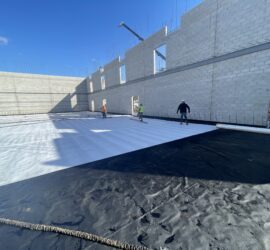
Passive Methane Mitigation: Passive systems refer to the non-mechanical and non-electric components of the methane mitigation process. These components remove the vapor intrusion risks of methane soil gas migration into buildings atop Los Angeles Methane Zones and Methane Buffer Zones. In fact, methane testing results typically indicate the necessity for a passive system, as well as an Active Mitigation System.

Los Angeles Building Code

The definition of a passive system is found within the Los Angeles Department of Building and Safety (LADBS) Methane Code (Ordinance Number 175790). Moreover, tables listing the components of a passive system are available within the LADBS Standard Methane Plans.
Passive Methane Mitigation System Los Angeles LADBS Geo Forward

Components the Passive System

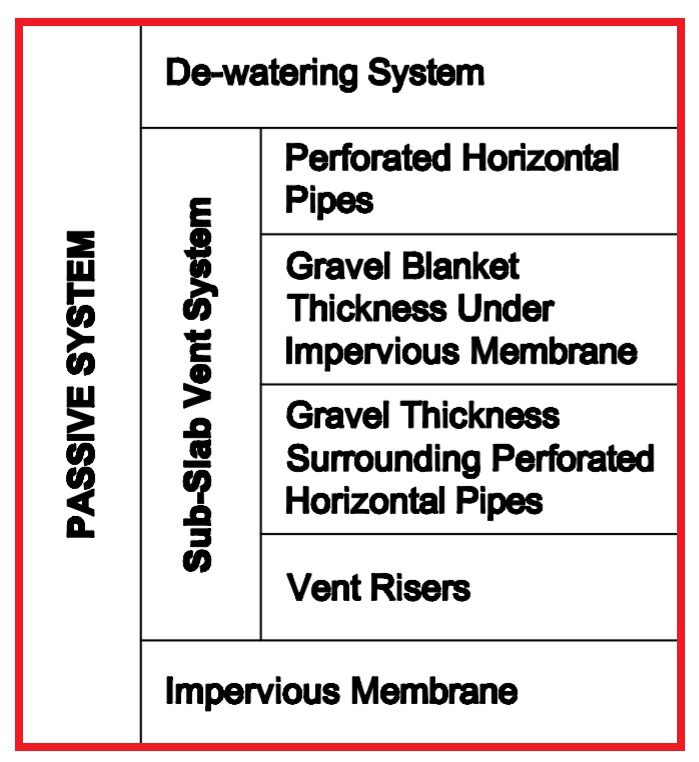
Contractors build passive systems using common building materials. And the specific materials and arrangement of items are in accordance with the approved Methane Mitigation Plan. In general, Passive Methane Mitigation Systems include:

  1. De-watering system (or an applicable waterproofing barrier);
  2. Perforated horizontal pipes;
  3. Gravel blanket;
  4. Impervious membrane (also known as a methane barrier);
  5. Vertical vent risers.


Similar Posts

  • Terrestrial Planet Definition

    Terrestrial Planet Definition A terrestrial planet is any planet in the universe that has earth-like composition, such as rocks, and other similar solid substances. For instance, Mars is a terrestrial planet in our solar system, whereas Jupiter is not. This is because modern geologists, astrophysicists, and astronomers understand Mars to contain solid formations correlative to…

  • Hydraulic Conductivity (K)

    Hydraulic Conductivity (K) “Hydraulic Conductivity” (K), in hydrogeology and hydrology, represents the capacity of a porous medium (such as soil) to transmit water, as per Darcy’s Law. To illustrate, the rate at which fluid can move through a permeable medium (such as soil), depends on the properties of that soil (such as intrinsic permeability) and…

  • Fault Scarp

    Fault Scarp Fault Scarp: In the field of geology, a dip-slip fault scarp is a steep slope that is formed directly by fault movement. It occurs along the line of a normal fault, reverse fault, or transform fault. A fault scarp represents the planer surface of the fault before erosion and weathering modify it.

  • Thermosphere

    Thermosphere Thermosphere: The thermosphere of a terrestrial planet is the fourth and final member of the atmosphere. On Earth, the thermosphere starts atop the mesosphere at approximately 85 kilometers above mean sea level. The upper limit of the thermosphere is reasonably presumed to terminate approximately 95 kilometers above mean sea level. In fact, most of…