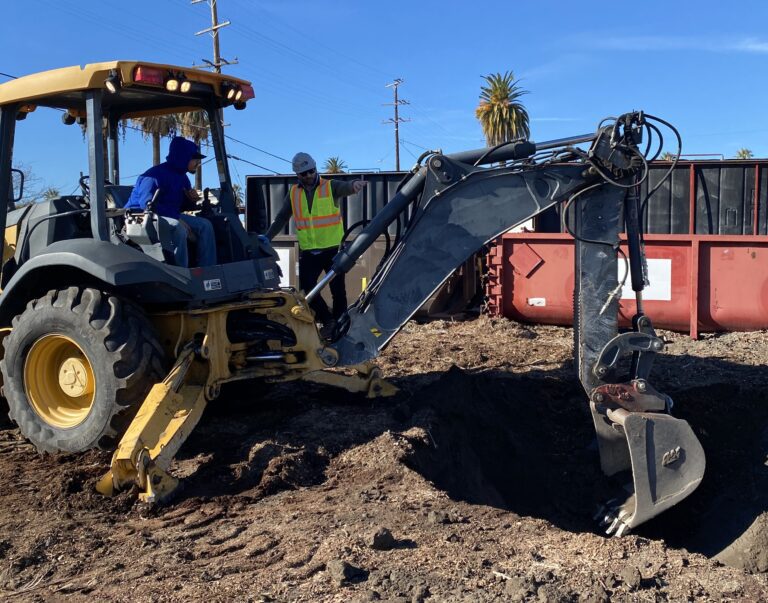
Petrogenic Gas

Petrogenic Gas

Petrogenic Gas: In geology, petrogenic gas refers to natural gas that is the byproduct of the thermal decomposition of biological and organic matter. In fact, this is the same process that results in the geological formation of petroleum underground. For instance, methane soil gas hazards in Los Angeles Methane Zones are typically resulting from underlying pockets of petroleum and near-surface tar pits. Alternatively, natural gas can be biogenic gas, meaning the gas forms by the microbial decomposition of buried organic materials.

Similar Posts

  • Liquefaction

    Liquefaction Liquefaction: Liquefaction is the process by which there is: (1) a sudden and significant decrease of shear resistance in a soil sample (cohesion-less); (2) a sudden (but temporary) increase of the pore-water pressure of a substance; and (3) a solid mass of soil that is transformed into a fluid state mass. In the event…

  • Stratosphere

    Stratosphere Stratosphere: The stratosphere of a terrestrial planet is the second-lowest member of the atmosphere. On Earth, the stratosphere starts atop the troposphere at approximately 10 kilometers above mean sea level, and terminates roughly 50 kilometers above mean sea level. In fact, geologists understand that the Earth’s ozone layer exists within the stratosphere, which absorbs…

  • Feldspars

    Feldspars Feldspars: In the field of geology, and the branch of mineralogy, feldspars are a mineral group, that is the most common amongst the earth’s crust. In fact, there are two types of feldspars: plagioclase feldspar and orthoclase feldspar.

  • Geosyncline

    Geosyncline Geosyncline: In geology, a geosyncline is a large-scale indentation in the Earth’s crust that is filled with sediments. A geosyncline forms due to the gradual sinking of the Earth’s crust, causing sediment from adjacent areas to gather inside. An example of a geosyncline is the Appalachian Mountains.