Biogenic Gas

Biogenic Gas

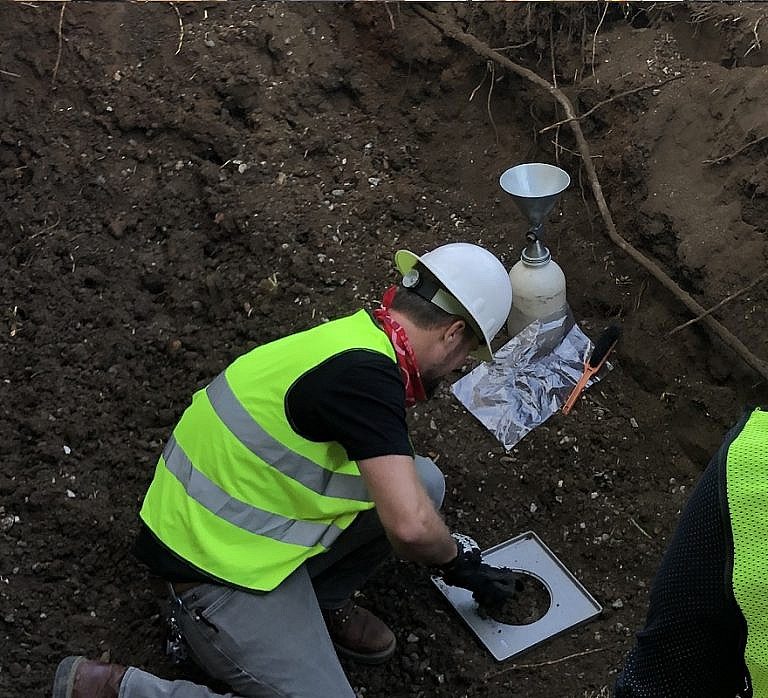
Biogenic Gas: In geology, biogenic gas refers to natural gas that is the byproduct of the microbial decomposition of biological and organic matter. For instance, methane soil gas on Earth is typically a biogenic gas resulting from the decomposition of organic soil zones, landfills, marshes, and swamplands. Alternatively, natural gas can be petrogenic gas, meaning the gas forms by the thermal decomposition of buried organic materials.


Similar Posts

  • Volatile Organic Compounds (VOCs)

    Volatile Organic Compounds (VOCs) Volatile Organic Compounds (VOCs): Volatile Organic Compounds are toxic organic chemicals with higher tendencies to change from liquid to vapor phase under typical earth pressures and temperatures, and usually have little-to-no water solubility characteristics. VOCs are commonly found within hydrocarbon-based fuel additives, industrial solvents, refrigerants, hydraulic fluids, degreasers, and more. These…

  • Settlement

    Settlement Definition In the field of geology, The term settlement means a gradual downward movement of the ground surface. This is generally due to soil compression at on a larger scale, atdepths that are below the ground surface.

  • U-Shaped Kitchen

    U-Shaped Kitchen U-Shaped Kitchen: A U-shaped kitchen, or a horseshoe kitchen, is a general kitchen plan layout with counters, walls, and cabinets that generally form a square-like or rectangular-like shape of the letter “u.”  In the State of California (and other states with similar building code standards), U-shaped kitchens must have a minimum of 60-inches…

  • Aphanitic

    Aphanitic Definition Aphanitic: In geology, the term aphanitic describes the texture of plutonic or volcanic igneous rocks, with grains that are not visible to the naked eye. In fact, an aphanitic texture is usually the result of faster cooling and solidification of liquid magma.

  • Hydro-Geology (Hydrogeology)

    Hydro-Geology (Hydrogeology) Hydro-Geology (Hydrogeology): Hydrogeology is a branch of geology that relates to the study of the earth’s natural groundwater and surface water systems. Whereby geologists study the physical and chemical properties of unconfined aquifers, confined aquifers, river systems, lake beds, oceanwater, natural geysers, and more.