Single Station Methane Gas Detector

Single Station Methane Gas Detector

Single Station Methane Gas Detector: As per the Los Angeles Department of Building and Safety (LADBS) Methane Code, Ordinance Number 175790, a single station methane gas detector is a device consisting of electrical components that are capable of measuring methane soil gas concentrations indoors, and initiating an alarm. The single station gas detectors are typically permissible in a single-family dwelling methane mitigation system, or an accessory dwelling unit (ADU). This is an exception to the comprehensive alarm system and control panel on commercial and multi-family residential developments.
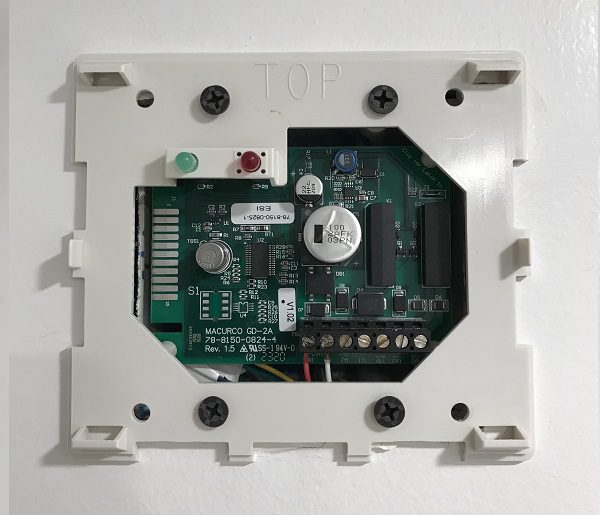
Single Station Methane Gas Detector

Similar Posts

  • Extrusive Rocks

    Extrusive Rocks Extrusive Rocks: In the volcanology branch of geology extrusive rocks are igneous rocks that have been erupted onto the Earth’s surface, before forming and crystallizing. On the other hand, intrusive rocks form and crystallize under the Earth’s ground surface. Extrusive rocks are typically microcrystalline and aphanitic, because of the faster rate of cooling…

  • Design Methane Concentration

    Design Methane Concentration Design Methane Concentration: In accordance with the Los Angeles Department of Building and Safety Methane Code, Ordinance Number 175790, a Design Methane Concentration is the highest recorded concentration of methane soil gas detected during the course of methane testing on a property. The Design Methane Concentration is what defines the level of…

  • Mineral

    Mineral Definition A mineral is defined as an inorganic element, compound, or substance that naturally develops with an organized internal structure and/or crystal form over time. Minerals are also distinguishable by their chemical composition and physical properties, as determined in laboratories by geologists. Typical earth minerals found in most igneous, metamorphic, and sedimentary rocks are…

  • Connate Water

    Connate Water Definition Connate Water: In geology, connate water is groundwater that has been trapped within the pore space of a sedimentary rock since its original deposition. Connate water is also referred to as “fossil water” due to a long history of non-exposure.

  • Gravel Blanket

    Gravel Blanket in Methane Mitigation A gravel blanket is a 2-inch or 4-inch thick layer of gravel, sand, or approved material that transmits methane soil gas to the horizontal sub-slab perforated pipes and verticle vent riser of a passive methane mitigation system.