
Mesosphere

Mesosphere

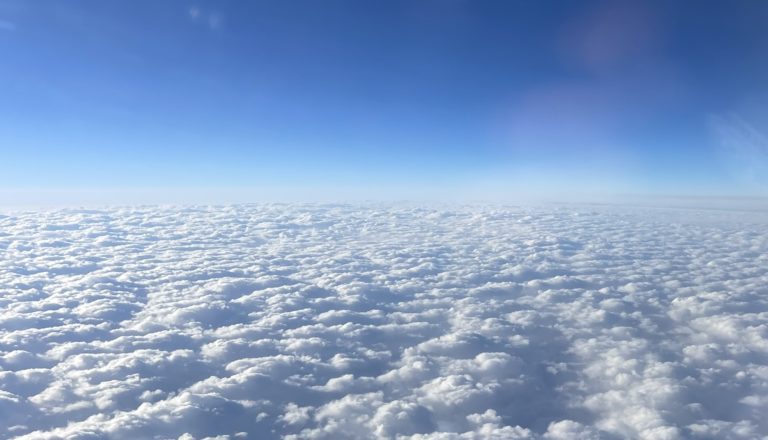
Mesosphere: The mesosphere of a terrestrial planet is the third member of the atmosphere. On Earth, the mesosphere starts atop the stratosphere at approximately 50 kilometers above mean sea level and terminates roughly 85 kilometers above mean sea level. The mesosphere is where most meteors burn to determination. Like the stratosphere, the air in the mesosphere is thin. However, the oxygen levels in the mesosphere are too low to sustain human life. And much like the troposphere, temperatures increase with altitude within the mesosphere. The next member of the atmosphere above the mesosphere is the thermosphere.
Similar Posts

  • Maximum Soil Screening Levels (MSLs)

    Maximum Soil Screening Levels (MSLs) Maximum Soil Screening Levels (MSLs): MSLs are a list of risk-based hydrocarbon concentrations for soil pollution evaluations, that is developed by the California Regional Water Quality Control Board. These screening levels are based on the Leaking Underground Fuel Tanks (LUFT) Manual, for cleaning up soil contamination from leaking USTs. However, MSLs…

  • Environmental Consultant

    Environmental Consultant Environmental Consultant: An environmental consultant is an expert of any profession or field, who focuses their skills and knowledge towards matters that improve the environment. Environmental consultants are typically scientists with expertise in geology, chemistry, physics, and engineering. Environmental Consultants Working Towards Environmental Sustainability Environmental consultants generally provide professional services that aim towards…

  • Focus (Hypocenter)

    Focus (Hypocenter) Focus (Hypocenter): In the seismology branch of geology, a focus, or hypocenter, refers to the specific place where an earthquake rupture originates. The focus, or hypocenter, underlies the epicenter when an earthquake occurs at a dip-slip fault, strike-slip fault, oblique-slip fault, or listric fault. In the event of an earthquake, geologists, and seismologists…

  • Growth Fault

    Growth Fault Growth Fault: In geology, a growth fault is a strike-slip fault or dip-slip fault that moves contemporaneously with deposition. This causes the throw (amount of vertical displacement) to increase with depth and the strata to be thicker on the downthrown side as compared to the upthrown side.