Atmosphere
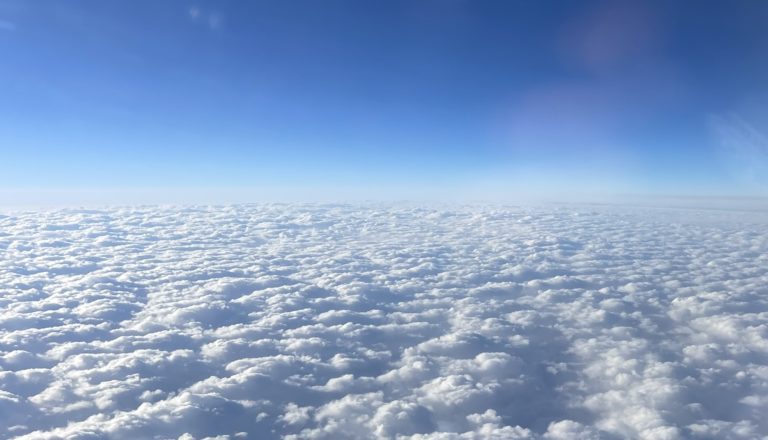
Atmosphere: The atmosphere of a terrestrial planet is an outermost series of layers that comprises gaseous phase elements within part of the planet’s gravitational field. For instance, the Earth’s atmosphere exists in the air spaces that are approximately 95 kilometers above the ground surface. And within it, are the troposphere, stratosphere, mesosphere, and thermosphere. As of the date of this post, the exosphere and ionosphere are not part of the Earth’s gaseous envelope or atmosphere.
Order of Layers in the Earth’s Atmosphere
1. Troposphere
On Earth, the troposphere exists roughly 0 to 10 kilometers above mean sea level.
2. Stratosphere
The stratosphere exists roughly 10 to 50 kilometers above mean sea level on Earth.
3. Mesosphere
Earth’s mesosphere exists approximately 50 to 85 kilometers above mean sea level.
4. Thermosphere
The thermosphere starts at roughly 85 kilometers above mean sea level. As of the date of this post, there isn’t a clear understanding of the upper boundary of Earth’s thermosphere. However, it may terminate approximately 95 kilometers above mean sea level.
5. Exosphere
As of the date of this post, there isn’t a clear understanding of the lower or upper boundaries of Earth’s exosphere. However, it may commence approximately 95 kilometers above mean sea level, and terminate roughly around 190,000 kilometers above mean sea level. This distance is