Control Panel for Methane Mitigation System

Control Panel in a Methane Mitigation System

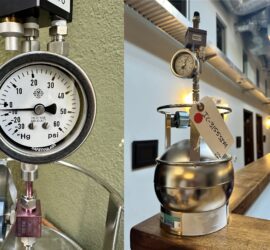
Control Panel of a Methane Mitigation System: A methane mitigation control panel is the brain behind the active mitigation system. In accordance with the Los Angeles Department of Building and Safety (LADBS) Methane Code, Ordinance Number 175790, a control panel synchronizes methane alarm units with sensors and the active ventilation systems on-site. For instance, the control panel of a methane mitigation system activates the sub-slab soil vapor extraction system and HVAC system when high levels of methane soil gas occur.
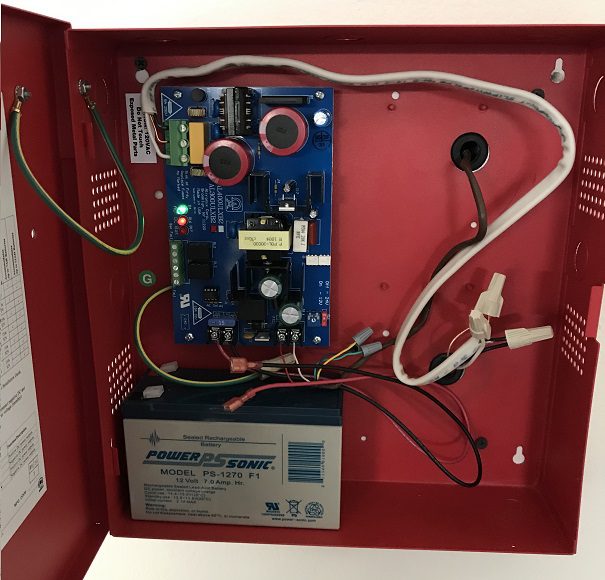

Alarm and Detector Control Panel and Backup Battery Methane Mitigation System

Similar Posts

  • Potentiometric Surface

    Potentiometric Surface The term “Potentiometric Surface” means the hydrogeological surface that represents the total hydraulic head of groundwater from a confined aquifer or semi-confined aquifer that’s under pressure. The Potentiometric Surface of an aquifer is defined by the level to which water will rise in a groundwater monitoring well (that’s exclusively screened within said aquifer).

  • Effective Stress (σ’)

    Effective Stress (σ’) “Effective Stress” (σ’) is a geotechnical engineering term. Effective Stress is a function of “total stress,” and is due to the solid particles of soil. Effective stress represents an excess of stress above pore-water pressure (or neutral stress). Effective Stress Formula Effective Stress = Total Stress – Pore-Water Pressure.

  • Seismology

    Seismology Seismology: (seis·mol·o·gy) a branch of geology and geophysics that relates to earthquakes, including but not limited to their causes, effects, hazards, and mitigation techniques.  Seismologists at the United States Geological Survey (USGS) use cutting-edge technology to measure seismic wave properties and geological hazards that trigger them or are triggered by them. In turn, seismology…

  • Thrust Fault Definition

    Thrust Fault Thrust Fault: In the field of geology, a thrust fault is a reverse fault in which the fault plane dipping angle is less than 45 degrees. Thrust faults are dip-slip faults, and can also be listric faults. For instance, the fault underlying the western embankment of the historical St. Francis Dam in Saugus,…

  • Contact Metamorphism

    Contact Metamorphism Contact Metamorphism – Metamorphism is associated with the intrusion of an igneous mass. Metamorphic changes are caused principally by heat, but also by magma composition and deformation related to the intrusion. Pressures are relatively low (<3000 bars) while temperatures range from 200°C to 1000°C.