Methane Alarm System

Methane Alarm System

Methane Alarm System: As per the Los Angeles Department of Building and Safety (LADBS) Methane Code, Ordinance Number 175790, a methane alarm system is part of an active methane mitigation plan. A methane alarm system is a group of interacting components and circuits that synchronize to monitor and annunciate the status of high methane soil gas intrusion. At a minimum, this includes methane detectors, an audible alarm, a visual alarm, a control panel, and necessary programing for synchronization with an HVAC system and soil vapor extraction (SVE) system.
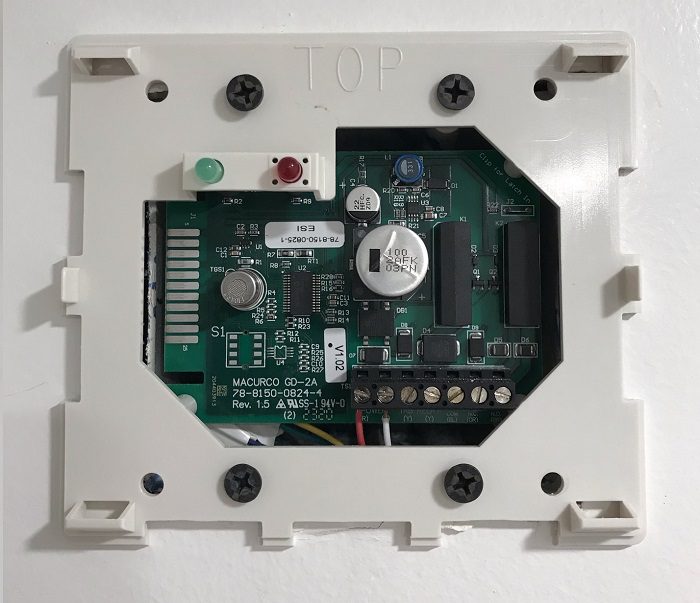
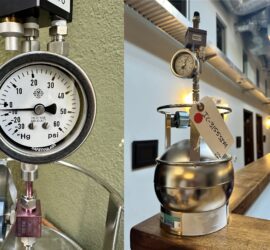
Methane Alarm System - Standalone Unit
Methane Alarm System – Standalone Unit (Geo Forward)

Similar Posts

  • Perforated Horizontal Pipe

    Perforated Horizontal Pipe in Methane Mitigation Perforated Horizontal Pipe: As per the Los Angeles Department of Building and Safety (LADBS) Methane Code, Ordinance Number 175790, a perforated horizontal pipe is a PVC or ABS pipe that contains a series of small holes or narrow openings placed equidistantly along the length of the pipe, and is…

  • Epicenter

    Epicenter Epicenter: In the seismology branch of geology, an epicenter of an earthquake is the point on Earth’s surface that is directly above the focus (or hypocenter). It is the ground surface location overlying where an earthquake rupture originates within a dip-slip fault or strike-slip fault. Shortly after an earthquake, United States Geological Survey (USGS)…

  • Reverse Fault Definition

    Reverse Fault Reverse Fault: In the field of geology, a reverse fault is a dip-slip fault in which the hanging wall moves upwards, relative to the footwall. The average dipping angle of a reverse fault ranges from 45 to 90 degrees. However, if less than 45 degrees, it becomes a “thrust fault.” Reverse faults are…

  • Asthenosphere

    Asthenosphere Asthenosphere: The asthenosphere underlies the lithosphere. The Asthenosphere comprises the upper mantle, where isostatic adjustments are made, and where magma is generated. It is also in this part of the earth, where seismic waves strongly attenuate.

  • Volatile Organic Compounds (VOCs)

    Volatile Organic Compounds (VOCs) Volatile Organic Compounds (VOCs): Volatile Organic Compounds are toxic organic chemicals with higher tendencies to change from liquid to vapor phase under typical earth pressures and temperatures, and usually have little-to-no water solubility characteristics. VOCs are commonly found within hydrocarbon-based fuel additives, industrial solvents, refrigerants, hydraulic fluids, degreasers, and more. These…