A methane mitigation system is made up of passive components, active components and a few miscellaneous details. Each one has a specific job: to block, collect, vent or detect methane soil gas before it can build up inside a building. This page explains each methane mitigation system component as defined in the Los Angeles Department of Building and Safety (LADBS) Methane Code, Ordinance No. 175790. For the full design process, see our methane mitigation page.
Which components a project needs depends on its Site Design Level. That level comes from a methane soil gas survey, which measures methane concentration and pressure beneath the property.
Passive Methane Mitigation Components
Passive components are the non-mechanical, non-electrical parts of the system. They collect methane beneath the building and vent it safely into the air. Every methane mitigation design includes a passive system. Together, these parts form the methane venting system.
Perforated Horizontal Pipe
A perforated horizontal pipe is a PVC or ABS pipe with small holes or narrow openings spaced evenly along its length. It is installed horizontally beneath the building foundation and the impervious membrane. The pipe ventilates methane soil gas and reduces formation pressure. In addition, where a waterproofing and dewatering system is necessary, a perforated horizontal pipe may also drain groundwater.
Gravel Blanket

A gravel blanket is a 2-inch or 4-inch layer of gravel, sand or another approved material. It carries methane soil gas to the perforated horizontal pipes and the vertical vent risers of a passive methane mitigation system.
Impervious Membrane (Methane Barrier)
An impervious membrane is a continuous methane gas barrier beneath the building. It is one of the most important parts of the methane mitigation process, because it stops methane soil gas from entering the structure. The membrane must be made of LADBS-approved materials. Learn more about the methane barrier.
Vertical Vent Riser
Vertical vent risers connect to the horizontal pipes and carry collected methane up and around the building, where it exhausts into the air. Read more about the vent riser in methane mitigation.
Waterproofing Barrier System
A waterproofing barrier system protects below-grade walls, foundations and methane mitigation systems from moisture. On a retaining wall, the barrier usually goes on the backside after the concrete is poured but before soil is backfilled. The same applies to footings and stem walls. Beneath a slab, however, the waterproofing barrier is installed before the concrete is poured.
A waterproofing barrier is not the same as a dewatering system, although it can be part of one. Also, depending on the product, a methane vapor barrier can sometimes double as a waterproofing barrier.
Active Methane Mitigation Components
Active components are the mechanical and electrical parts of the system. They remove methane and warn occupants when levels rise. Active systems are required at higher Site Design Levels, but not in every methane mitigation design. The sensors, methane gas detectors, alarms and control panel together make up the methane monitoring system.
Mechanical Extraction System
A mechanical extraction system uses fans, blowers or other powered devices to remove methane from below the impervious membrane. These devices can sit above or below the methane barrier. It is one of the active methane mitigation requirements in Methane Zones and Methane Buffer Zones.
Soil Gas Pressure Sensor
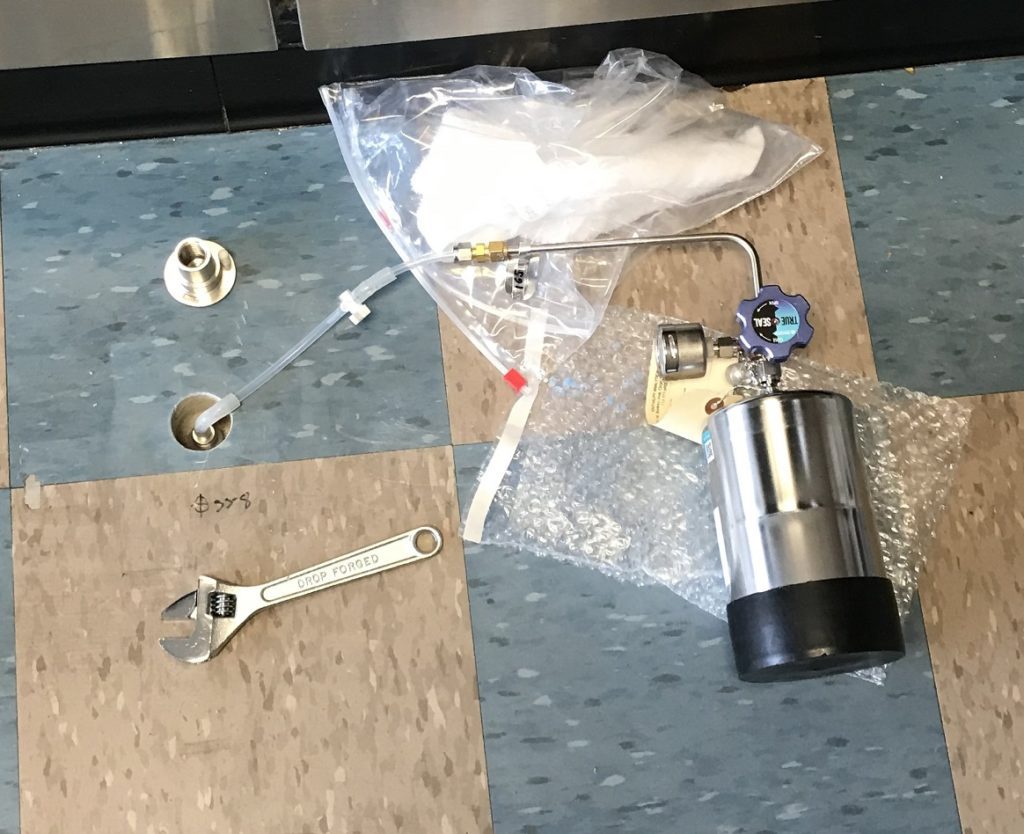
A soil gas pressure sensor measures sub-slab soil gas pressure and sends the data to the control panel. When methane levels are high, it triggers the alarm system to warn occupants. Much like a methane soil gas test, the sensor records soil gas pressure as well as hydrocarbon gas concentration.
Pressure sensors are typically part of an active system. Certified vapor barrier installers usually set them above the gravel blanket and methane barrier, but below the finished concrete slab. Geologists also use similar sensors and probes to measure other vapors, such as volatile organic compounds (VOCs).
Control Panel
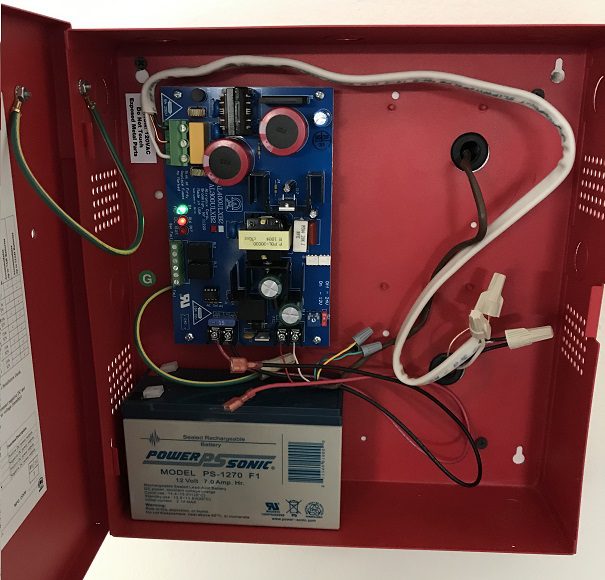
The control panel is the brain of an active methane mitigation system. It connects the methane alarms, the sensors and the active ventilation systems. For example, when methane levels rise, the control panel turns on the sub-slab soil vapor extraction system and the HVAC system.
Methane Alarm System
A methane alarm system is a group of connected components and circuits that monitor methane levels and alert occupants. At a minimum, it includes methane detectors, an audible alarm, a visual alarm, a control panel, and programming that links it to the HVAC system and soil vapor extraction (SVE) system.
Single-Station Methane Gas Detector
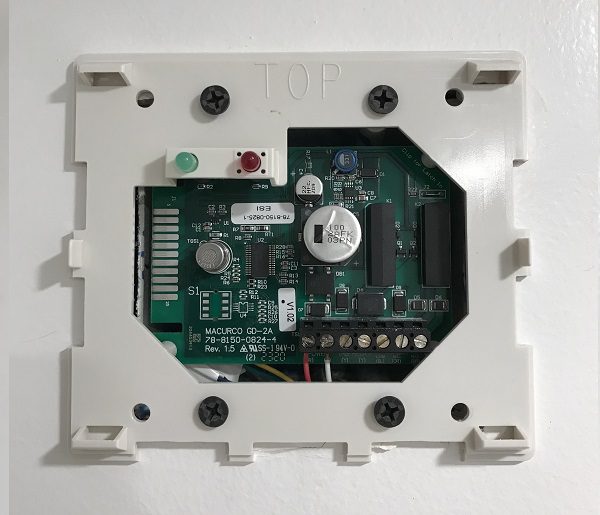
A single-station methane gas detector measures indoor methane concentrations and sounds an alarm on its own. It is typically allowed in single-family homes and accessory dwelling units (ADUs). In other words, it is an exception to the full alarm system and control panel required for commercial and multi-family buildings.
Miscellaneous Methane Mitigation Components
Trench Dam
A trench dam blocks methane from traveling along utility trenches, such as sewer laterals and water mains. Read more about the trench dam.
Conduits and Cable-Seal Fittings
Special conduits and cable-seal fittings stop methane from seeping into the building through utility lines. Each methane mitigation plan details where they go.
Unobstructed Opening
An unobstructed opening is a permanent gap in the walls, floor or ceiling of a structure that allows fresh air to flow through. Windows, skylights and doorways don’t count. Under the Methane Code, some structures in Methane Zones and Methane Buffer Zones with large enough unobstructed openings may qualify for exceptions to the impervious membrane requirement. However, the exception doesn’t apply in all cases.
Who Designs and Inspects These Components?
Geo Forward designs passive and active methane mitigation systems and handles LADBS plan check for our clients. During construction, our certified methane deputy inspectors verify that each component is installed according to the approved plans. To discuss your project, call (888) 930-6604 or complete our pre-consultation questionnaire.
Technical Review
Reviewed by Adam Azad Kaligi, PG
Founder and Licensed Professional Geologist, Geo Forward, Inc.
Last updated: November 2026