
ASTM E2018-24 is the Standard Guide for Property Condition Assessments: Baseline Property Condition Assessment Process. It is the standard most U.S. lenders, buyers and consultants use to scope a property condition assessment (PCA) of commercial real estate. ASTM approved the current edition on January 1, 2024, replacing E2018-15.
What ASTM E2018 Covers
E2018 sets a baseline, meaning the minimum process a consultant follows to observe a commercial property and report its condition. The work product is a property condition report (PCR). A baseline PCA includes four main parts:
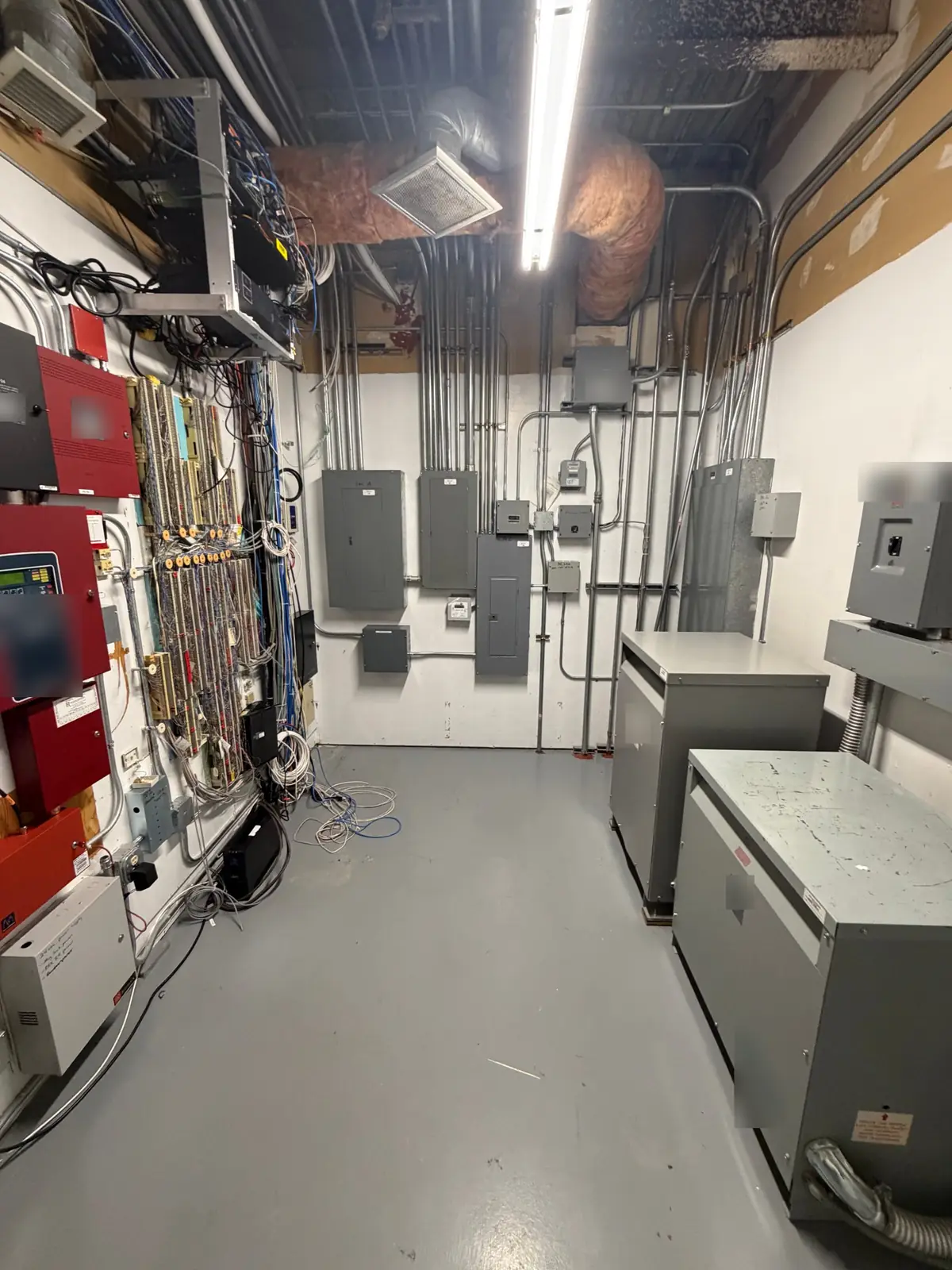
- Walk-through survey: a visual, non-invasive look at the site, structure, roof, building envelope, mechanical, electrical, plumbing, vertical transportation, and fire and life safety systems.
- Document review: drawings, permits, certificates of occupancy, warranties, service contracts and prior reports the owner can provide, plus public records such as open building or fire code violations.
- Interviews: conversations with the owner, property manager or maintenance staff about the building’s history, repairs and known problems.
- Opinions of probable cost: estimated costs to fix the physical deficiencies found, sorted by how soon the work is needed.
E2018 is a guide, and its use is voluntary. It describes a reasonable baseline; a lender or buyer can add to it in a scope of work.
What Changed in E2018-24
ASTM Committee E50 made more than 140 revisions in the 2024 edition. Many are editorial, but several change how PCAs are scoped and reported:
- Immediate repairs: the definition now centers on conditions that represent an imminent life-safety issue, replacing the older “material existing or potentially unsafe conditions” wording.
- Specialists: the guide adds discussion of when to bring in specialists for enhanced evaluations of high-cost or critical systems, such as structure, roofing, façades, elevators and mechanical, plumbing, electrical and fire protection systems.
- Uses beyond transactions: the committee recognized that E2018 is often applied to facility condition assessments for long-term planning, and ASTM started work on a separate guide for facility condition assessments.
What a Baseline PCA Does Not Cover
Under E2018 the consultant observes and reports; they do not take things apart. Unless the scope of work adds them, a baseline PCA generally does not include:
- Destructive testing, engineering calculations or code compliance audits.
- Environmental conditions such as contamination, asbestos, lead or mold. Those belong in a Phase 1 Environmental Site Assessment and related surveys.
- A full accessibility audit. A PCA may include a limited ADA review of readily observable barriers.
- Seismic risk analysis, which lenders order as a separate study when needed.
See PCA vs. Phase 1 ESA for how the condition and environmental reports fit together.
Immediate Costs vs. Short-Term Costs
An E2018 report sorts repair costs by timing. Immediate costs cover conditions that need prompt action, such as life-safety hazards, active leaks or material building code violations. Short-term costs cover repairs expected within the next one to two years that are beyond routine maintenance. Lenders often turn immediate costs into required repairs at closing and use the rest to size replacement reserves.
How Geo Forward Applies E2018-24
We perform every PCA in general accordance with ASTM E2018-24, then match the report to your lender’s scope of work. Our field staff use a site-specific PCA checklist built from the standard and from what the document review turns up. When a system needs more than a visual review, we tell you and recommend the right specialist instead of guessing. Most clients order a PCA and a Phase 1 ESA together, so both reports come from one team.
Need an ASTM E2018-24 property condition assessment? Call (888) 930-6604 (Mon–Fri, 8 am–5 pm PT) or request a proposal. Fees run PCA cost,800–$6,000; see PCA cost.
ASTM E2018 FAQs
What is ASTM E2018?
ASTM E2018 is the Standard Guide for Property Condition Assessments: Baseline Property Condition Assessment Process. It defines the minimum process for observing a commercial property and reporting its condition and repair costs.
What is the current version of ASTM E2018?
The current version is ASTM E2018-24, approved January 1, 2024. It replaced E2018-15.
Is ASTM E2018 required by law?
No. ASTM E2018 is a voluntary guide. Lenders and buyers often require it in their scope of work.
Does ASTM E2018 cover environmental issues?
No. Environmental conditions are outside the PCA scope and are covered by a Phase 1 Environmental Site Assessment under ASTM E1527-21.
What is a property condition report?
A property condition report (PCR) is the written product of a PCA. It describes the building systems, lists observed physical deficiencies and gives opinions of probable cost to fix them.
Sources:
U.S. Department of Justice: ADA Standards for Accessible Design
U.S. EPA: Indoor Air Quality
California Office of the State Fire Marshal
California Building Standards Commission