Control Panel for Methane Mitigation System

Control Panel in a Methane Mitigation System

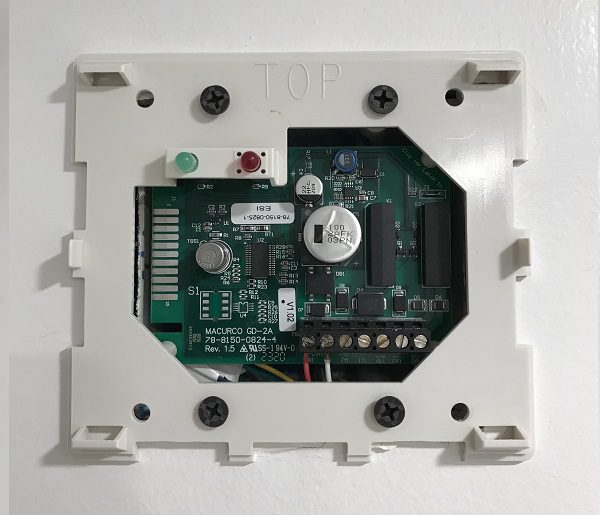
Control Panel of a Methane Mitigation System: A methane mitigation control panel is the brain behind the active mitigation system. In accordance with the Los Angeles Department of Building and Safety (LADBS) Methane Code, Ordinance Number 175790, a control panel synchronizes methane alarm units with sensors and the active ventilation systems on-site. For instance, the control panel of a methane mitigation system activates the sub-slab soil vapor extraction system and HVAC system when high levels of methane soil gas occur.
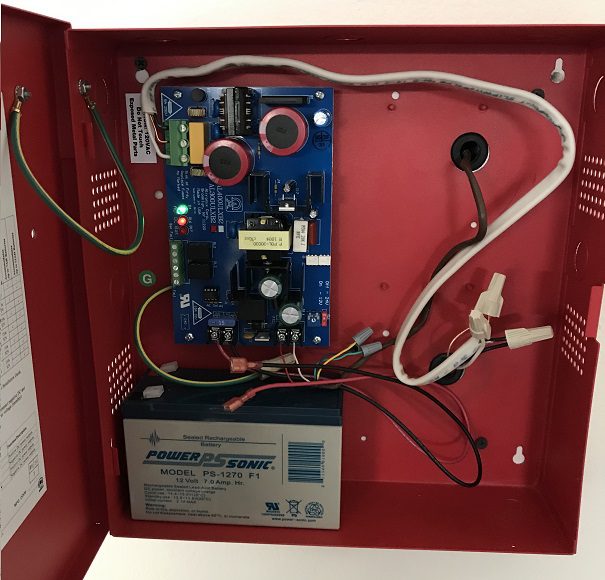
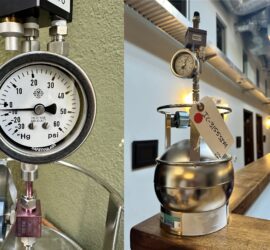
Alarm and Detector Control Panel and Backup Battery Methane Mitigation System

Similar Posts

  • Confined Aquifer

    Confined Aquifer Confined Aquifer: In the hydrogeology branch of geology, a confined aquifer is an aquifer that is overlain (and underlain) by a layer of low permeability, such as clay, shale, or silty clay. In fact, the two confining layers contain the storage and flow of groundwater, such that the aquifer maintains hydraulic pressure (or…

  • Well Log

    Well Log (Boring Log) Well Log: A geological well log (or boring log) is a detailed record of subsurface materials encountered during a drilling project. Boring logs, or well logs, are written by a geologist, and describe the physical subsurface characteristics and lithological units encountered during well-plotting. Well logs include information about depth, different formations,…

  • Rigidity

    Rigidity Definition Rigidity – In geotechnical engineering and engineering geology, rigidity represents the ratio of the shear stress and the amount of angular rotation that it produces, within a rock sample.

  • Extrusive Rocks

    Extrusive Rocks Extrusive Rocks: In the volcanology branch of geology extrusive rocks are igneous rocks that have been erupted onto the Earth’s surface, before forming and crystallizing. On the other hand, intrusive rocks form and crystallize under the Earth’s ground surface. Extrusive rocks are typically microcrystalline and aphanitic, because of the faster rate of cooling…