Mechanical Extraction System

Mechanical Extraction System

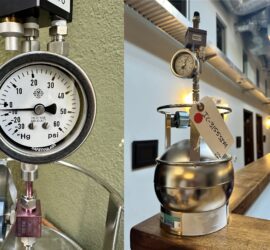
Mechanical Extraction System: Per the Los Angeles Department of Building and Safety (LADBS) Methane Code, Ordinance Number 175790, a Mechanical Extraction System is one of the Active Methane Mitigation criteria for methane mitigation systems in buffer zones and methane zones.  A mechanical extraction system uses machines that remove methane gas from below the impervious membrane. And this includes the use of fans, blowers, or other powered devices that are above and below the methane barrier itself.

Similar Posts

  • Gap-Graded

    Gap-Graded The term “Gap-Graded” is used by geologists, engineers, and soil scientists in the geotechnical engineering field to describe the gradation of a soil sample, specifically when some particle sizes are missing. Aside from being “gap graded,” a soil sample can be described as “well-graded” (also referred to as poorly sorted), or “poorly graded” (or…

  • Passive Methane Mitigation

    Passive Methane Mitigation Passive Methane Mitigation: Passive systems refer to the non-mechanical and non-electric components of the methane mitigation process. These components remove the vapor intrusion risks of methane soil gas migration into buildings atop Los Angeles Methane Zones and Methane Buffer Zones. In fact, methane testing results typically indicate the necessity for a passive…

  • |

    Geologic Time Scale

    Geologic Time Scale The Geologic Time Scale is an international system used by geologists to classify and identify major geologic events and formations. The geologic timescale essentially categories the earth’s entire geologic (and biologic) history, within a series of defined eons, eras, periods, epochs, and ages. Updates & Maintenance The geologic time scale is continuously…

  • Darcy’s Law

    Darcy’s Law In the field of geology, Darcy’s Law is the universal and basic equation representing groundwater flow through a study area. Darcy’s Law Formula Q = KiA The following variables and coefficients apply to this formula: “K” = Hydraulic Conductivity; “Q” = Discharge Rate; “A” = Area of Cross-Section that Water Flows;

  • Troposphere

    Troposphere Troposphere: The troposphere of a terrestrial planet is the lowest member of the atmosphere. On Earth, the troposphere starts atop the ground surface and terminates roughly 10 kilometers above mean sea level. In fact, geologists understand that most of the Earth’s water vapor (clouds) exists in the troposphere. And the next member of the…