Geo Forward performs Phase 1 environmental site assessments throughout California, from San Diego to the Oregon border. California is our home base, with offices in Los Angeles, Pasadena, El Segundo, North Hollywood, Santa Clarita and San Francisco, and our licensed geologists can reach any part of the state quickly. Every report follows ASTM E1527-21 and the EPA All Appropriate Inquiries rule, and is prepared to meet SBA, lender and California agency expectations.
Standard: ASTM E1527-21 and EPA All Appropriate Inquiries (40 CFR Part 312)
Typical cost: $2,000 to $4,500 (rush: $2,650 to $6,500)
Turnaround: 12 to 15 business days standard, 5 to 6 business days rush
Coverage: every California county, plus nationwide service
The ASTM standard is national, but California has more agencies, more databases and more legacy land uses to research than most states. A California Phase 1 environmental site assessment commonly involves:
Department of Toxic Substances Control (DTSC) records, including the EnviroStor database of cleanup, permitted and corrective action sites
Nine Regional Water Quality Control Boards and the State Water Board’s GeoTracker database of leaking underground storage tank and cleanup cases
Local Certified Unified Program Agencies (CUPAs), usually county environmental health or fire departments, which hold hazardous materials, underground tank and inspection records
The Cortese List (Government Code Section 65962.5), the state’s compiled list of hazardous waste and substances sites, which also matters for CEQA review
CalGEM (the Geologic Energy Management Division) records of active, idle and plugged oil and gas wells
Local building, fire and planning departments for permits, tank removals and historical uses
Common Environmental Concerns in California
Oil fields and abandoned wells
Southern California, the Central Valley and parts of the Central Coast contain oil fields that date back more than a century. Old wells, pipelines and oil field sumps can create recognized environmental conditions, and some cities, including Los Angeles, also regulate methane near oil fields.
Dry cleaners, auto repair and gas stations
Chlorinated solvents from current and former dry cleaners, and petroleum from service stations and auto repair shops, are among the most common RECs in California strip centers and mixed-use corridors. Solvents also drive vapor intrusion concerns under the 2023 California Supplemental Guidance: Screening and Evaluating Vapor Intrusion from DTSC and the State Water Board.
Agricultural land
In the Central Valley, Inland Empire and coastal farming areas, historical pesticide and fertilizer use, mixing and loading areas, and agricultural wells are frequent considerations when farmland is converted to housing or commercial use.
Industrial and aerospace legacies
Manufacturing, aerospace, electronics and plating operations in areas such as the San Fernando Valley, South Bay, San Gabriel Valley and Silicon Valley have left regional groundwater contamination, including EPA Superfund sites, that a Phase 1 must consider.
Mining and naturally occurring materials
Historical gold mining in the Sierra Nevada foothills can leave mercury and arsenic, and serpentine rock in parts of the Coast Ranges and Sierra foothills can contain naturally occurring asbestos. These are noted when relevant to the property.
Our California Phase 1 Process
Records review: federal, state, tribal and local databases, plus regulatory files from DTSC, the Regional Water Board and the local CUPA when warranted
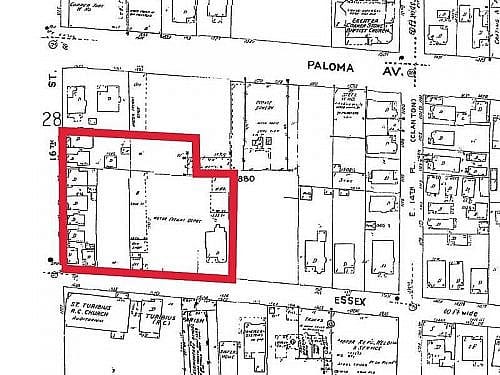
Historical research: aerial photographs, fire insurance maps, city directories, topographic maps and building permits back to the property’s first developed use
Site visit: a walk-through of the property and observation of adjoining properties for storage tanks, chemical use, staining, drains and other indicators
Interviews: owners, occupants and local officials
Report: findings, RECs, CRECs, HRECs, and recommendations, with an executive summary written for lenders and decision-makers
Sacramento and the Central Valley: Fresno, Bakersfield, Stockton and Modesto
Northern California and the Sierra foothills
California Phase 1 ESA Cost and Turnaround
A California Phase 1 ESA from Geo Forward typically costs $2,000 to $4,500, and rush reports typically cost $2,650 to $6,500. Price depends on the property’s past uses, location, size and records requests more than acreage alone. Standard turnaround is 12 to 15 business days, and rush service is 5 to 6 business days. See our Phase 1 environmental site assessment cost guide for details.
Who We Serve
We prepare California Phase 1 ESAs for SBA lenders, national and community banks, private lenders, buyers, sellers, attorneys, brokers, developers and public agencies. Reports can include reliance letters for lenders.
California Phase 1 ESA FAQs
Is a Phase 1 ESA required in California?
No state law requires one for every sale, but most commercial lenders and the SBA require one, and buyers need one to qualify for CERCLA liability defenses. Local agencies may also require environmental review for redevelopment.