Mechanical Extraction System

Mechanical Extraction System

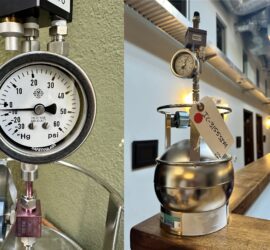
Mechanical Extraction System: Per the Los Angeles Department of Building and Safety (LADBS) Methane Code, Ordinance Number 175790, a Mechanical Extraction System is one of the Active Methane Mitigation criteria for methane mitigation systems in buffer zones and methane zones.  A mechanical extraction system uses machines that remove methane gas from below the impervious membrane. And this includes the use of fans, blowers, or other powered devices that are above and below the methane barrier itself.

Similar Posts

  • Plat Map Definition

    Plat Map Definition Plat Map: A plat map provides the metes and bounds of a parcel in a large tract (to scale), as well as the legal land-use rights and limitations. Additionally, it demonstrates locations of streets and public utility easements, as well as ingress and egress easements. And sometimes plat maps provide information about…

  • U-Shaped Kitchen

    U-Shaped Kitchen U-Shaped Kitchen: A U-shaped kitchen, or a horseshoe kitchen, is a general kitchen plan layout with counters, walls, and cabinets that generally form a square-like or rectangular-like shape of the letter “u.”  In the State of California (and other states with similar building code standards), U-shaped kitchens must have a minimum of 60-inches…

  • Connate Water

    Connate Water Definition Connate Water: In geology, connate water is groundwater that has been trapped within the pore space of a sedimentary rock since its original deposition. Connate water is also referred to as “fossil water” due to a long history of non-exposure.

  • Trench Dam

    Trench Dam Trench Dam: Per the Los Angeles Department of Building and Safety (LADBS) Methane Code, Ordinance Number 175790, a trench dam is part of a methane mitigation system. A trench dam is essentially a subsurface barrier that exists within a furrow or ditch, that is adjacent to the foundation of a building in a…

  • Fault Creep

    Fault Creep Fault Creep: Fault creep means slow ground displacement of a strike-slip fault or dip-slip fault, that usually occurs without accompanying earthquakes. Fault creep can derive from tectonic activity, or be the result of excessive petroleum and groundwater pumping.