Phase 1 vs Phase 2 Environmental Site Assessment: Key Differences
The main difference between a Phase 1 and a Phase 2 environmental site assessment is testing. A Phase 1 ESA is a non-invasive study of records, history and a site visit that identifies potential contamination. A Phase 2 ESA drills and samples soil, soil vapor and groundwater to confirm whether that contamination is actually there. Most properties only need a Phase 1. A Phase 2 follows when the Phase 1 finds a recognized environmental condition (REC).
Phase 1 vs Phase 2 ESA at a Glance
Phase 1 ESA
Phase 2 ESA
Purpose
Identify potential contamination (RECs)
Confirm or rule out contamination at each REC
Standard
ASTM E1527-21 and EPA All Appropriate Inquiries
ASTM E1903-19, plus EPA and state sampling guidance
Fieldwork
Site visit, no sampling
Drilling, sampling and often geophysical surveys
Samples
None
Soil, soil vapor and groundwater sent to certified labs
Typical cost (Geo Forward)
$2,000 to $4,500 (rush $2,650 to $6,500)
$7,000 to $25,000 (rush $8,500 to $30,000)
Typical turnaround
12 to 15 business days (rush 5 to 6)
12 to 15 business days (rush 5 to 6), plus permits and lab schedules
When needed
Most commercial purchases and loans
When a Phase 1 finds RECs, or for high-risk uses
Result
Findings, RECs and recommendations
Lab data compared with screening levels, and next steps
What Happens in a Phase 1 ESA
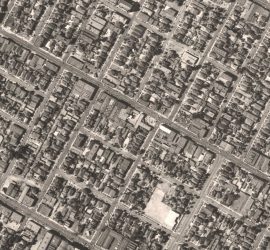
A Phase 1 is the starting point of environmental due diligence. An environmental professional reviews government databases, historical aerial photographs, fire insurance maps, city directories, topographic maps and building records, walks the property and its surroundings, and interviews owners and occupants. The goal is to find evidence of past or present releases of hazardous substances or petroleum.
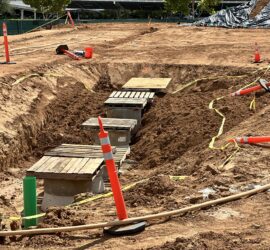
A Phase 2 tests the specific concerns the Phase 1 identified. Geologists design a sampling plan around each REC, choosing boring locations, depths, sample types and laboratory analyses. Fieldwork may include ground-penetrating radar to locate tanks and utilities, direct-push or hollow-stem auger drilling, soil vapor probes and groundwater sampling. Results are compared with regulatory screening levels, and the report concludes whether contamination is present and what, if anything, should happen next.
When Do You Need a Phase 2?
A Phase 2 is usually recommended when a Phase 1 identifies one or more RECs, such as:
A current or former gas station, or underground storage tanks
A current or former dry cleaner using chlorinated solvents
Auto repair shops, hydraulic lifts or clarifiers
Manufacturing, plating or chemical storage
A nearby property with a known release that may migrate onto the site
Your lender may also require a Phase 2 for certain uses regardless of the Phase 1 findings. For SBA loans, for example, properties with on-site dry cleaning require both a Phase 1 and a Phase 2. See when a Phase 1 recommends a Phase 2.
Can You Skip the Phase 1 and Go Straight to a Phase 2?
Usually not. Without a Phase 1, there is no basis for choosing where to drill or what to test for, and the buyer will not have the All Appropriate Inquiries record needed for CERCLA defenses. For very high-risk properties on a short escrow, clients often order the Phase 1 and Phase 2 at the same time so the sampling can start as soon as the Phase 1 site visit confirms the RECs.
What About a Phase 3?
“Phase 3” is an informal term for the work that follows a Phase 2 when contamination is confirmed: defining its full extent, then planning and carrying out cleanup. Learn more about contamination remediation.
Cost Comparison
A Phase 1 from Geo Forward typically costs $2,000 to $4,500, and a Phase 2 typically costs $7,000 to $25,000, because it adds drilling, field staff, equipment and laboratory analysis. Phase 2 cost depends mostly on the number of borings, sample depths and analyses. See our Phase 1 cost guide and Phase 2 cost guide.
Frequently Asked Questions
Does every property need a Phase 2?
No. Most Phase 1 ESAs find no RECs, and no Phase 2 is needed.
Does a Phase 1 include soil testing?
No. A Phase 1 is non-invasive. Soil, soil vapor and groundwater testing happen in a Phase 2.
Can the same firm do both?
Yes. Using one firm for both avoids re-learning the property and keeps the Phase 2 focused on the right RECs. Geo Forward performs Phase 1 and Phase 2 ESAs nationwide.
CREC stands for Controlled Recognized Environmental Condition. This terminology derives from a Phase 1 Environmental Site Assessment and represents one of the few categories of environmental concerns. A CREC is a release that has potentially achieved corrective action, but where contaminants still may remain, and where engineering controls or activity use limitations (AULs) are in place….
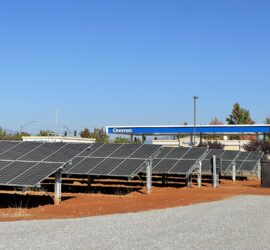
Gas stations are among the highest-risk properties in commercial real estate. Underground storage tanks, product lines, dispensers and service bays can all release petroleum, and older stations may have operated for decades before modern leak detection. A Phase 1 environmental site assessment is the first step in understanding that risk, and for current or former…
Phase 1 Reliance Letter Cost & Price A Phase 1 Reliance Letter cost can vary. However, typical prices for a Phase 1 ESA Reliance Letter range from $250 to $600. Moreover, prices for a Phase 1 ESA and Phase 2 ESA Reliance Letter together can range between $850 and $2,000. In addition to the time spent preparing…
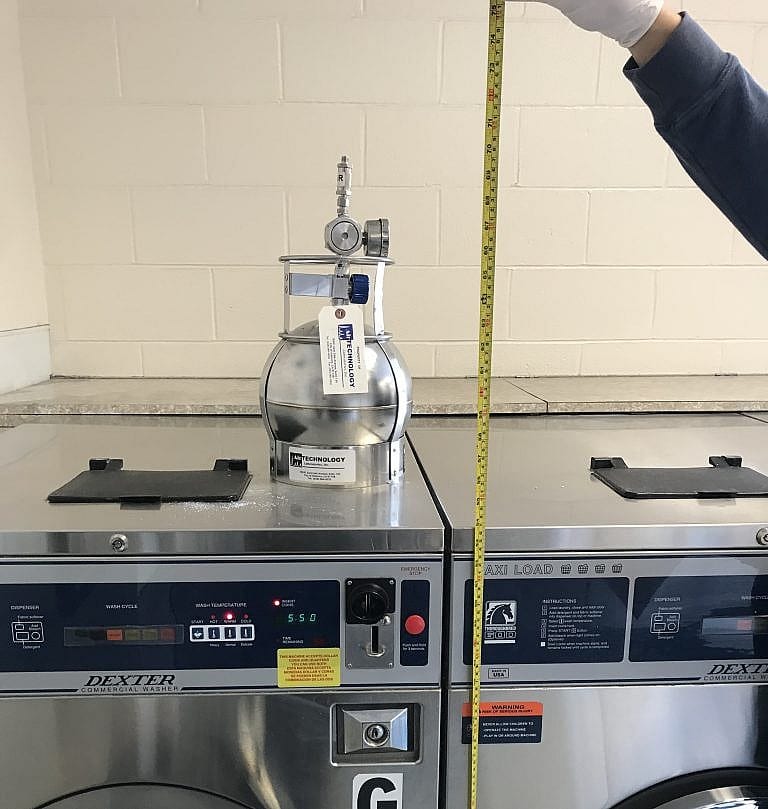
Indoor Air Quality Testing Indoor air quality testing involves collecting and containing samples of ambient air from inside a building and analyzing them to determine what chemicals may be affecting human health and safety. Sources of pollution may exist on- or off-site and can accumulate above- or below-ground. Indoor air quality testing is necessary at…
Definition of Recognized Environmental Condition (REC) What is a Recognized Environmental Condition (REC)? A simplified definition of a recognized environmental condition (REC) is any occurrence whereby: 1). actual pollution of the environment is occurring; 2). the threat of pollution of the environment occurs; or 3). there is a preponderance of evidence suggesting possible pollution of…
ASTM E1527-21 Standard Phase 1 Environmental Site Assessment Quarter four of the year 2021 entails an update to the ASTM Standard for Phase 1 Environmental Site Assessment reports. The current ASTM standard for a Phase 1 ESA is “E1527-13.” Per a mandatory revision cycle, version E1527-21 proposes modern strategies to assess new and existing human…