
A property condition assessment (PCA) and a Phase 1 Environmental Site Assessment (Phase 1 ESA) are the two reports lenders and buyers order most often before closing on commercial real estate. They answer different questions: a PCA tells you what the building needs to stay in service; a Phase 1 ESA tells you whether the land may carry environmental liability. Most deals need both.
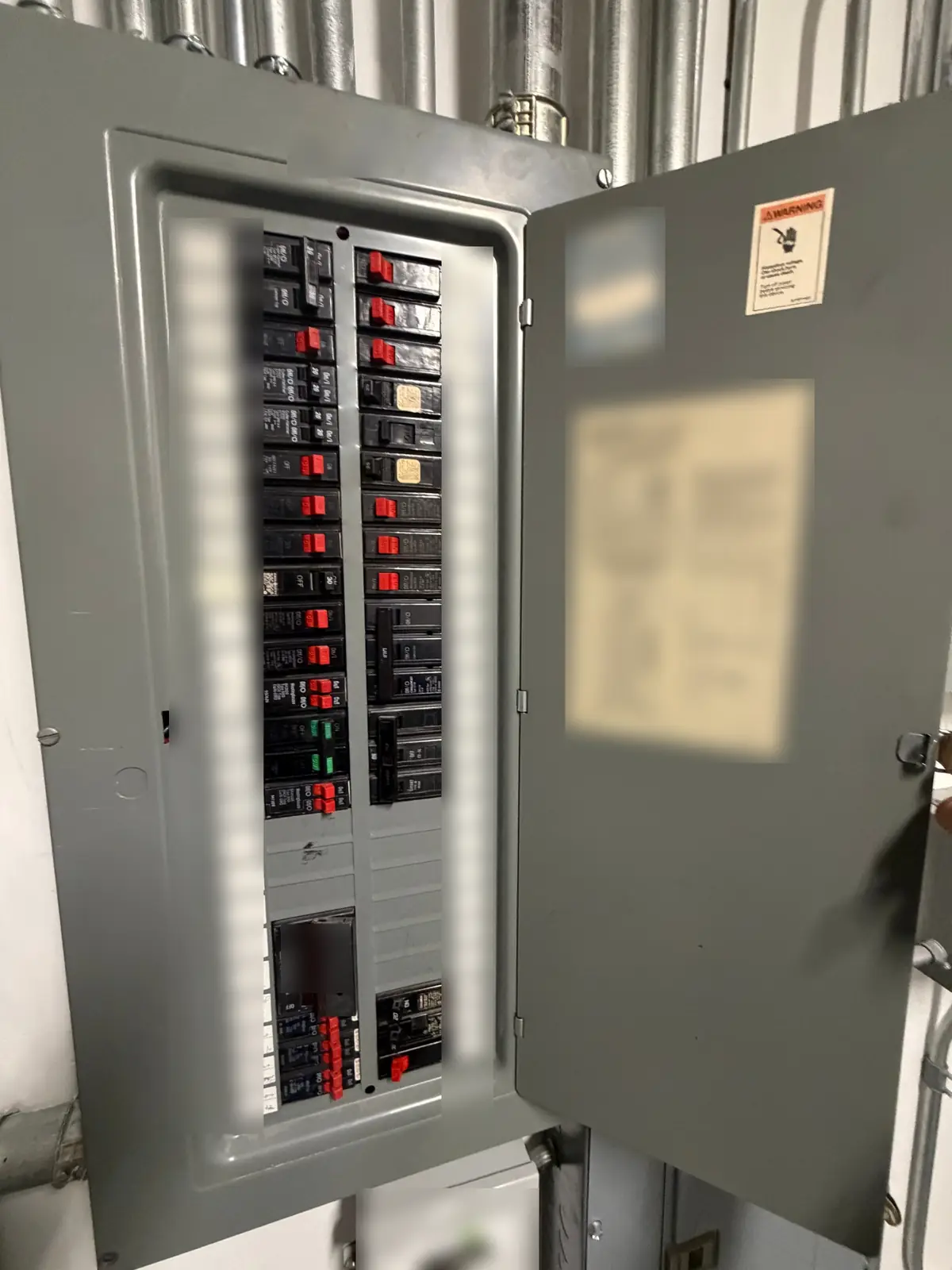
PCA vs. Phase 1 ESA at a Glance
| Property Condition Assessment | Phase 1 ESA | |
|---|---|---|
| Question it answers | What is the physical condition of the building and site, and what will repairs cost? | Are there recognized environmental conditions (RECs) from current or past uses? |
| Standard | ASTM E2018-24 | ASTM E1527-21 (EPA All Appropriate Inquiries) |
| Looks at | Structure, roof, HVAC, plumbing, electrical, fire and life safety, elevators, paving, limited ADA | Site history, regulatory databases, neighboring properties, tanks, chemical use, contamination |
| Main output | Property condition report with repair cost opinions | Report identifying RECs, CRECs and HRECs, with recommendations |
| Who signs off | Consultant experienced in building systems | Environmental professional (EP) as defined by EPA |
| Geo Forward fee | $1,800–$6,000 | $2,000–$4,500 (rush $2,650–$6,500) |
What a Property Condition Assessment Covers
A PCA is a walk-through survey of the building and site, a review of available documents and interviews with people who know the property. The report lists physical deficiencies and estimates what it will cost to fix them, split into immediate and short-term needs. Lenders use it to set required repairs and replacement reserves. Buyers use it to negotiate price or credits. The scope comes from ASTM E2018-24.
What a Phase 1 ESA Covers
A Phase 1 ESA reviews historical sources (aerial photos, fire insurance maps, city directories), regulatory databases, agency files, a site reconnaissance and interviews to find recognized environmental conditions such as former gas stations, dry cleaners, underground storage tanks or chemical releases. A Phase 1 ESA done to ASTM E1527-21 helps a buyer qualify for liability protections under the federal Superfund law. If it finds a REC, the next step is often a Phase 2 ESA with soil, soil vapor or groundwater sampling.
Where the Two Reports Overlap
Both reports include a site visit, interviews and a records review, and both are usually due on the same lender deadline. There are a few shared topics:
- Tanks: a PCA notes the condition of fuel and storage tanks as equipment; a Phase 1 ESA asks whether they leaked.
- Water intrusion: a PCA reports roof leaks and water damage as building problems; mold and indoor air quality are outside both baseline scopes unless added.
- Hazardous building materials: asbestos and lead-based paint are outside both baseline scopes. Order an asbestos survey when renovation or demolition is planned.
Which One Do You Need?
- Buying or refinancing a commercial building: usually both. The lender’s scope of work will say.
- Buying vacant land: a Phase 1 ESA; there is no building to assess.
- SBA 7(a) or 504 loan: SBA SOP 50 10 sets environmental requirements; your lender decides whether a PCA is also needed. See SBA Phase 1 environmental requirements.
- Owner planning capital budgets: a facility condition assessment, which looks further ahead than a PCA.
Order Both From One Team
Geo Forward performs PCAs and Phase 1 ESAs with one site visit and one project manager, so you get matching property descriptions and one point of contact. Phase 1 ESAs are reviewed by Adam Azad Kaligi, PG, a Licensed Professional Geologist in California and Texas. We work nationwide from offices in Los Angeles, Pasadena, El Segundo, North Hollywood, Santa Clarita, San Francisco and Houston.
Need a PCA and Phase 1 ESA for your closing? Call (888) 930-6604 (Mon–Fri, 8 am–5 pm PT) or request a proposal.
PCA vs. Phase 1 ESA FAQs
What is the difference between a PCA and a Phase 1 ESA?
A property condition assessment reports the physical condition of a building and estimated repair costs. A Phase 1 Environmental Site Assessment looks for environmental contamination risks from current and past uses of the property.
Does a property condition assessment include environmental issues?
No. Environmental conditions are outside the ASTM E2018-24 PCA scope. They are covered by a Phase 1 ESA under ASTM E1527-21.
Do lenders require both a PCA and a Phase 1 ESA?
Many commercial lenders require both for loans on improved property. The lender scope of work states which reports are needed.
Can one company do both reports?
Yes. Geo Forward performs both with one site visit and one team.
Which report comes first?
They are usually done at the same time so both are ready for the lender deadline.
Sources:
U.S. EPA: Brownfields All Appropriate Inquiries
U.S. Small Business Administration: SOP 50 10
U.S. Department of Justice: ADA Standards for Accessible Design
U.S. EPA: Asbestos