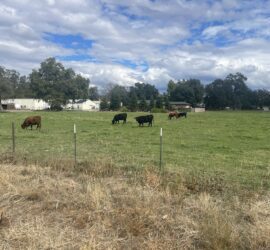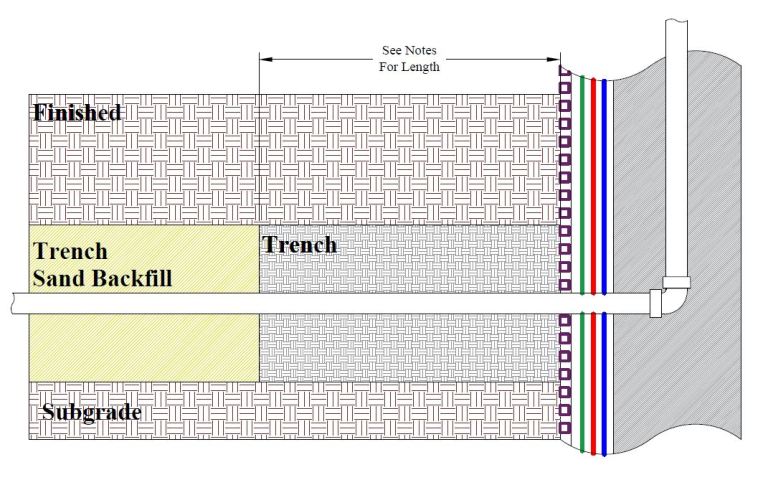
Environmental Law

Environmental Law

Environmental Law refers to the various categories of law that are put in place to protect the quality and condition of the earth and the environment. This sect of law aims to protect the well being of people and to preserve the earth’s natural resources, reserves, and wildlife. In fact, environmental laws apply to all industries and are enforced by regulatory agencies. For instance, companies in mining, land development, farming, fishing, construction, energy, and landfilling all have environmental compliance operations to abide by. The primary subjects of this law are the control of pollution and the conservation and management of land.

Similar Posts

  • Mineral

    Mineral Definition A mineral is defined as an inorganic element, compound, or substance that naturally develops with an organized internal structure and/or crystal form over time. Minerals are also distinguishable by their chemical composition and physical properties, as determined in laboratories by geologists. Typical earth minerals found in most igneous, metamorphic, and sedimentary rocks are…

  • Igneous Rock

    Igneous Rock Definition In the field of geology, the term “Igneous Rock” refers to one of the three major classifications of rock that comprises the earth. As opposed to sedimentary rocks or metamorphic rocks, igneous rock derives from the direct cooling and solidification of magmatic material. Igneous rock comprises a large amount of the planet…

  • Environmental Compliance Violation

    Environmental Compliance Violation An environmental compliance violation is a government-issued citation against a business or landowner, for wrongdoings that break environmental laws. These acts can be intentional or unintentional occurrences of poor business practices, which are harmful to the environment. Thus, violations can scale from minor infractions to misdemeanors and felonies. Nonetheless, the business owner…

  • Biogenic Gas

    Biogenic Gas Biogenic Gas: In geology, biogenic gas refers to natural gas that is the byproduct of the microbial decomposition of biological and organic matter. For instance, methane soil gas on Earth is typically a biogenic gas resulting from the decomposition of organic soil zones, landfills, marshes, and swamplands. Alternatively, natural gas can be petrogenic…

  • Growth Fault

    Growth Fault Growth Fault: In geology, a growth fault is a strike-slip fault or dip-slip fault that moves contemporaneously with deposition. This causes the throw (amount of vertical displacement) to increase with depth and the strata to be thicker on the downthrown side as compared to the upthrown side.